If you are wondering exactly what food we import from China, the answer might be sitting in your pantry right now.
The United States relies on Chinese agriculture and processing for a surprising amount of its daily food supply.
While China accounts for less than 1 percent of the total food volume consumed in the US, it dominates specific niche categories. From the apple juice in your child's lunchbox to the garlic in your dinner recipe and the tilapia in your freezer, Chinese imports are heavily woven into the American food system.
This guide breaks down the specific foods imported, the reasons behind the trade volume, and the ongoing FDA safety checks designed to protect consumers.
Why Does the US Buy Food from China?
The primary driver behind US food imports from China is a combination of sheer manufacturing scale and low production costs.
Chinese agricultural sectors and processing facilities can output massive volumes of food at a price point that domestic producers struggle to match.
This pricing advantage is especially clear in labor-intensive farming and processing, such as peeling garlic or filleting fish. By importing these goods, multinational food brands can keep their overhead costs low, which theoretically keeps prices down on the grocery store shelf.
Furthermore, China provides a reliable off-season supply of certain produce items, ensuring that American consumers have year-round access to ingredients that would otherwise be out of stock.
If you are a business looking to navigate these supply chains, understanding the legal framework is essential. You can learn more about regulatory requirements in our China Food Safety Law: 2024 Guide.
What Food Do We Import from China?
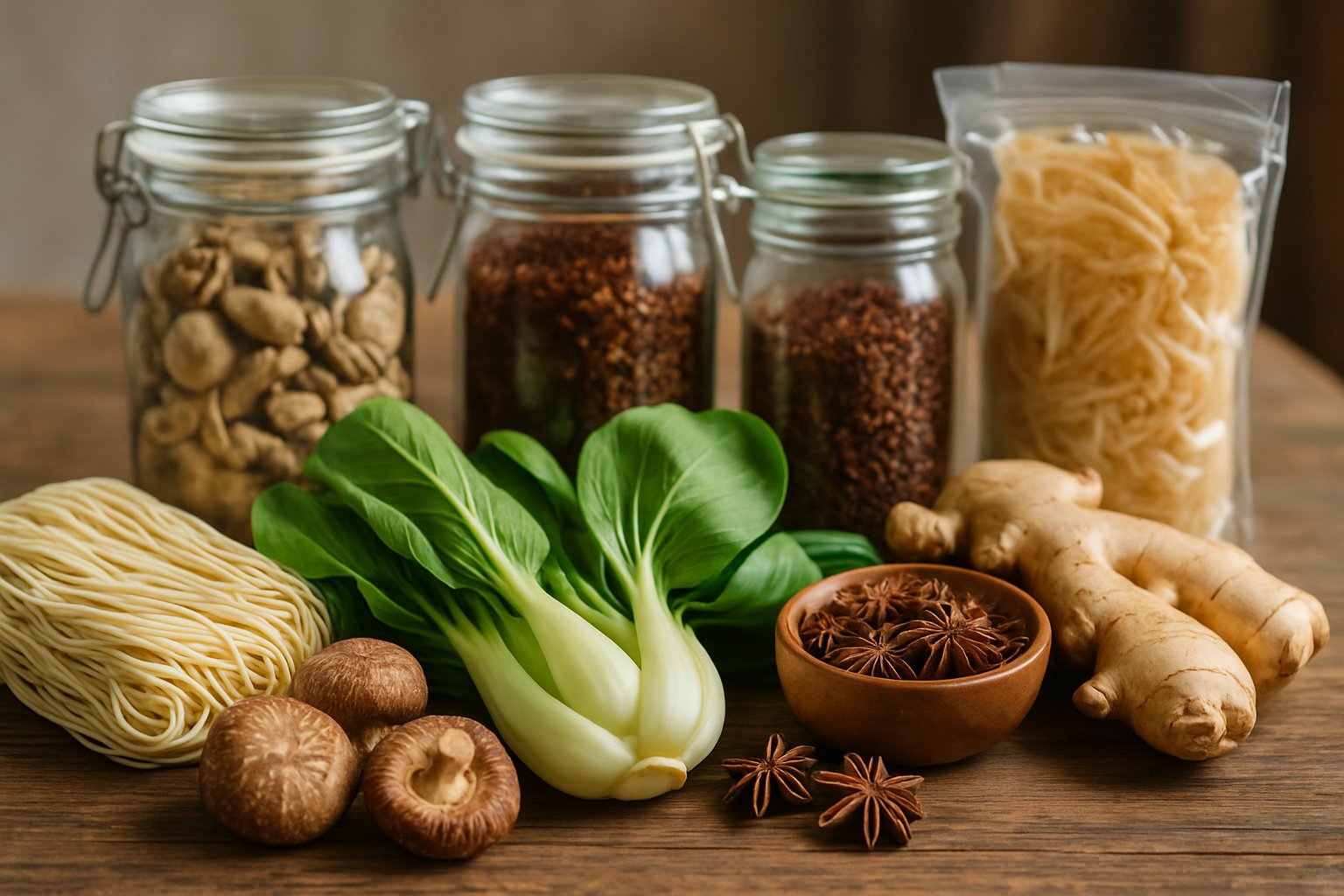
When categorizing what food we import from China, the data reveals three major segments: processed fruits and vegetables, seafood, and packaged pantry staples.
1. Processed Produce and Juices
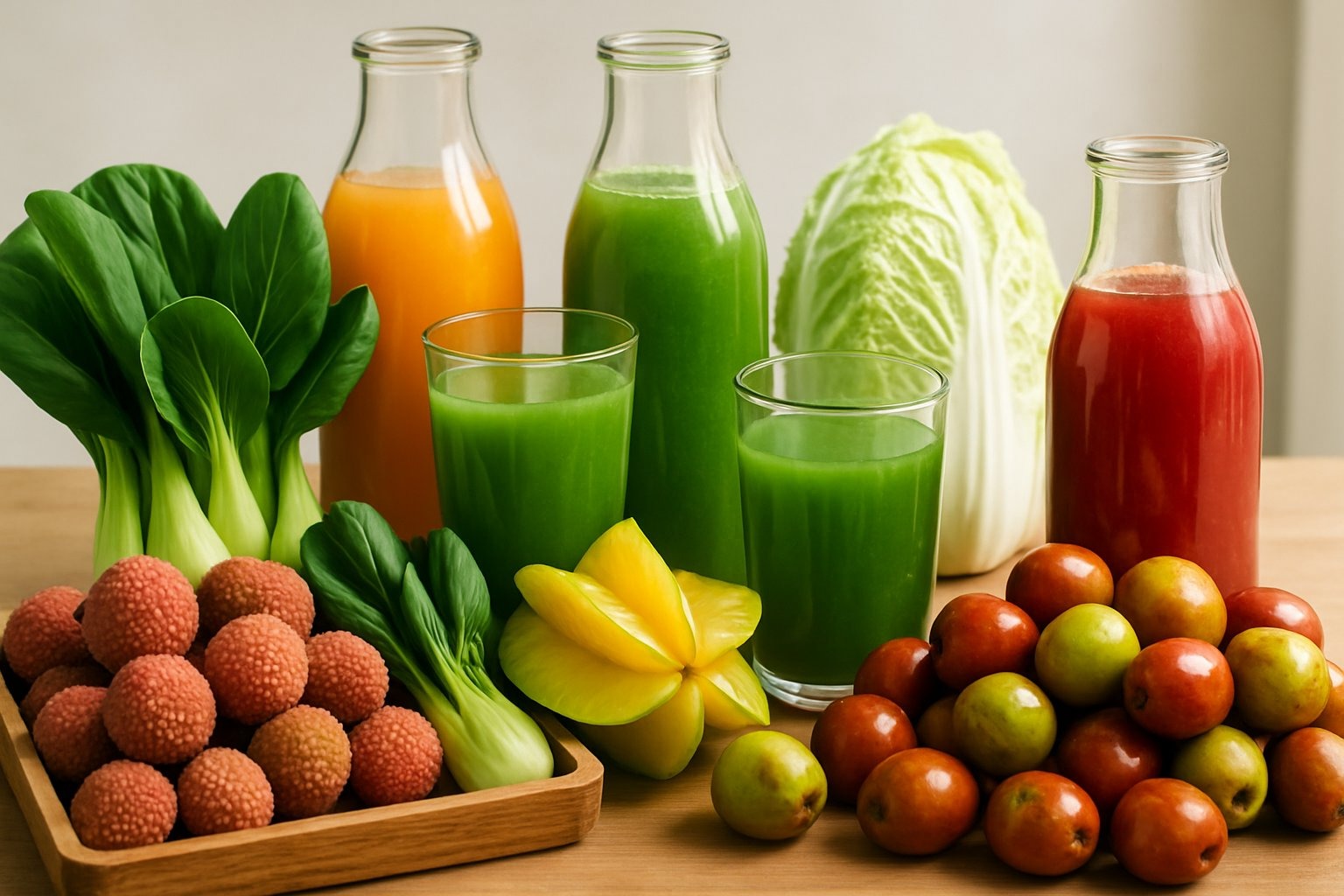
You might not see many whole, fresh Chinese apples in the produce aisle, but you are almost certainly consuming Chinese apples in other forms.
The US imports massive quantities of processed agricultural goods because shipping juice concentrate or dried vegetables is highly cost-effective.
Table 1: Top Produce and Juice Imports from China
Roughly half of the garlic consumed in the United States originates in China. It is heavily utilized in both commercial restaurant kitchens and consumer spice racks.
Similarly, the apple juice concentrate from China is the base ingredient for the vast majority of mixed fruit juices sold in American supermarkets.
2. Seafood and Aquaculture
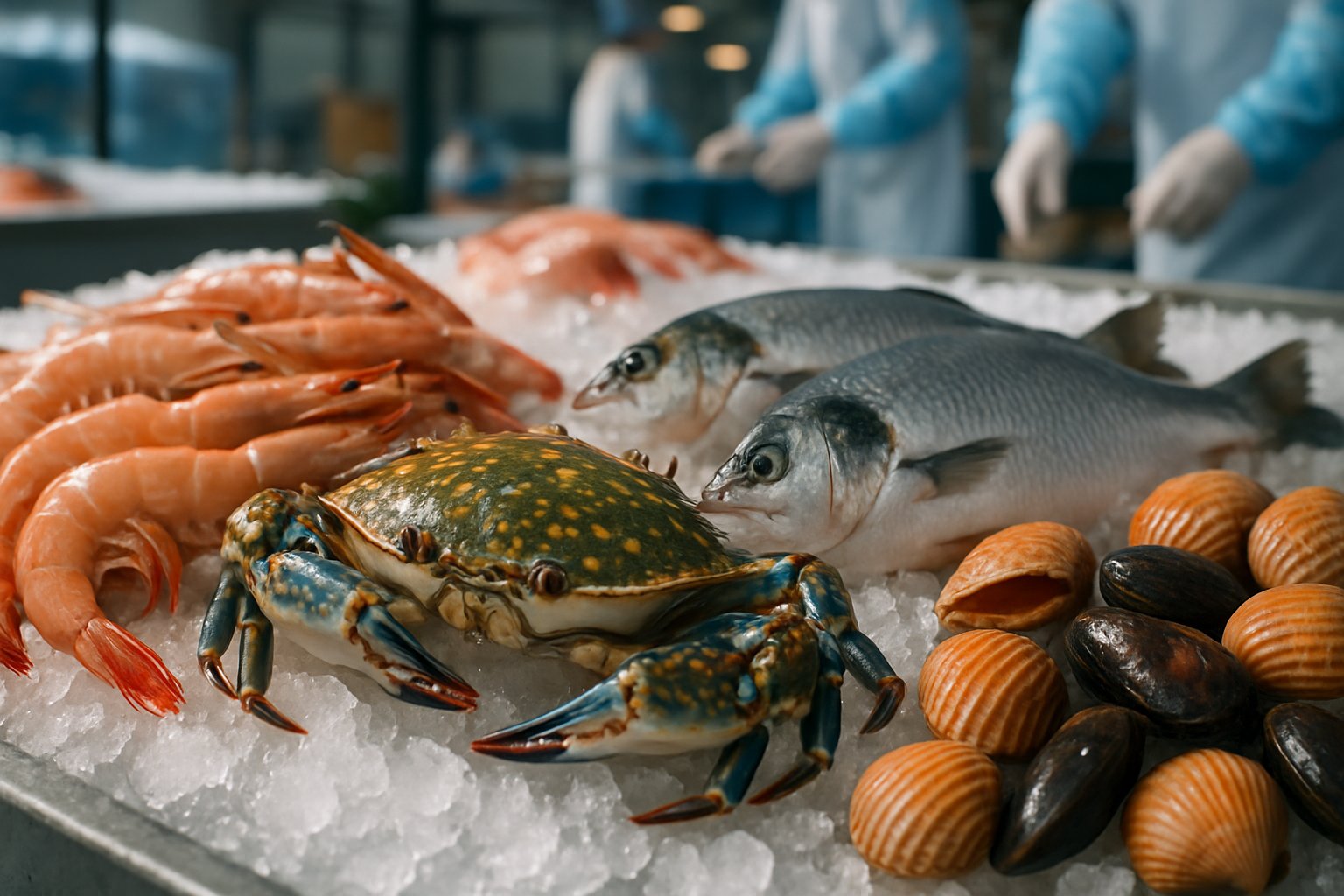
Seafood is one of the most visible answers to what food we import from China. Chinese aquaculture farms raise enormous quantities of fish specifically destined for the American market.
- Tilapia: China is a dominant supplier of frozen tilapia filets. This fish is favored for its mild taste and low price, making it a staple in budget-friendly restaurant chains and frozen food aisles.
- Shrimp: Farm-raised frozen shrimp is exported from China in massive volumes. These shrimp are often processed to extend their shelf life before they reach the US.
- Cod: While cod is caught in various oceans, much of it is shipped to China strictly for processing and filleting before being re-exported to the United States.
Cod Share—FDA Alerts on Filth/Additives Facebook
Cod imports from China don’t always make it through FDA screening. The agency tests for filth and chemical additives, blocking unsafe shipments from entering the U.S. market.
Social media, even Facebook, sometimes spreads these warnings fast. If you’re worried, keep an eye on official alerts before picking up cod from China.
Stay ahead of risks—read What Is Illegal in China? Stay Safe and Informed.
3. Pantry Staples and Food Additives
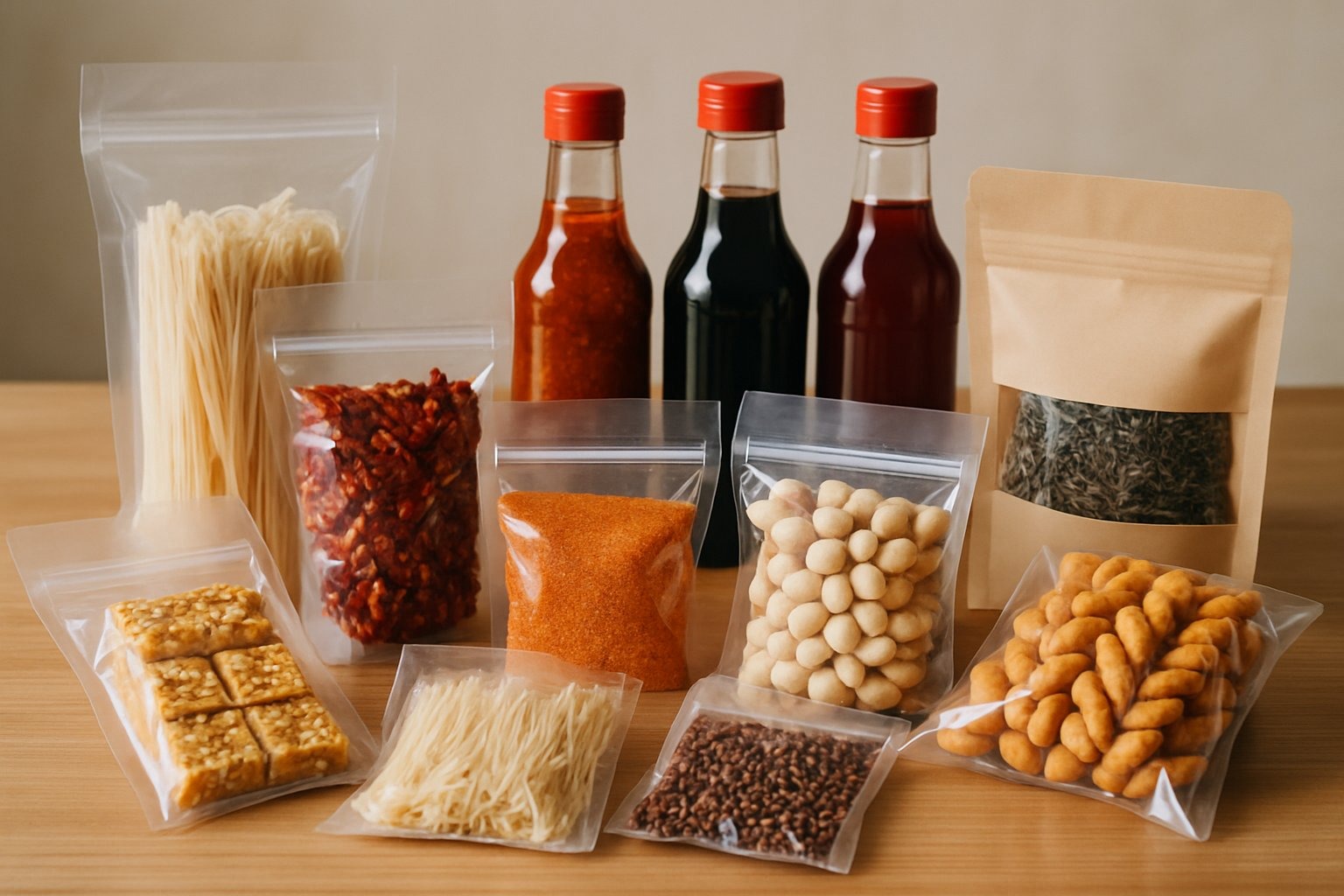
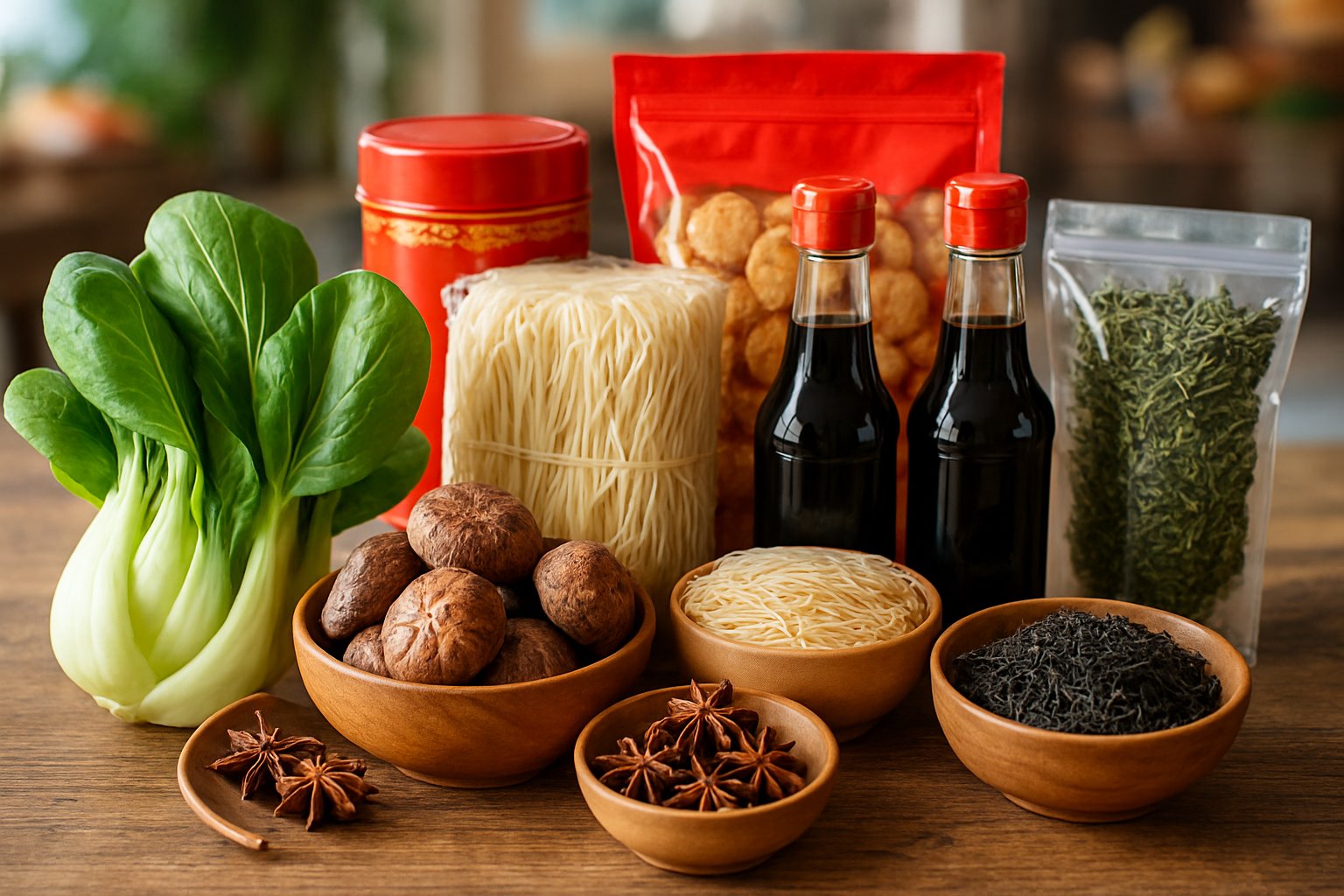
Walk down the center aisles of any grocery store, and the Chinese imports multiply. The US imports a vast array of dry goods, spices, and the chemical additives required to make ultra processed foods.
- Tea: China is the historical home of tea and remains a top supplier of green, black, and oolong varieties to the US market.
- Spices and Sauces: Soy sauce, oyster sauce, chili oils, and black pepper are frequently sourced from Chinese manufacturers.
- Vitamins and Sweeteners: China produces a massive share of the world's synthetic vitamins (like Vitamin C used as a preservative) and bulk sweeteners like maltose syrup used in American snack foods.
Understand market dynamics in How the Inflation Rate in China Impacts Your Investment.
FDA Regulations and Food Safety Risks
Because the US imports so much food from China, the Food and Drug Administration (FDA) maintains a strict watch on incoming shipments. The safety of Chinese food imports is a frequent topic of concern due to a history of contamination issues and varying agricultural standards.
When shipments arrive at US ports, the FDA inspects a percentage of them. Unfortunately, Chinese food products frequently face rejection. In late 2024 alone, the FDA rejected hundreds of batches of Chinese food imports.
The most common reasons for FDA refusal include:
- Unsafe Additives: The use of illegal preservatives or unapproved food coloring agents.
- Veterinary Drugs: The discovery of banned antibiotics or unsafe chemical residues in farm-raised seafood like tilapia and shrimp.
- Filth and Contamination: Shipments found to contain pesticides, heavy metals, or bacteria that indicate the food is rotting or otherwise unfit for consumption.
- Labeling Violations: Products that lack proper country of origin tags or feature misleading ingredient lists.
If an importer repeatedly violates these safety standards, the FDA will place them on an Import Alert. This means their products will be detained automatically at the border without physical examination until the importer can prove the food is safe.
If you are a business dealing with regulatory hurdles at the border, understanding the rules of international trade is vital.
Read more in our article about China Product Compliance GB Standards: Requirements and Certification.
How Tariffs Are Impacting Grocery Prices
The trade relationship between the US and China has become increasingly complicated. In recent years, the US government has levied heavy tariffs on a wide range of Chinese goods, including food imports.
Table 2: Economic Impact of Tariffs on Chinese Food
Since 2025, these tariffs have forced American importers to pay significantly more for Chinese garlic, seafood, and packaged snacks. While massive grocery chains can sometimes absorb a portion of these costs, smaller grocers are forced to pass the price hikes directly to the consumer.
As a result, many food companies are actively looking to diversify their supply chains. You may start seeing more imports from countries like Mexico or Vietnam as businesses attempt to avoid the financial strain of Chinese trade taxes.
To understand the broader economic shifts happening in the region, check out our insights on Business Opportunities in China: Where To Invest Next.
Final Thoughts
Understanding what food we import from China reveals a complex, deeply interconnected global food system.
While China supplies less than one percent of America's total food volume, it is the undisputed king of specific categories like apple juice concentrate, garlic, and processed seafood.
The massive scale of Chinese agriculture keeps prices low, but it also requires aggressive oversight from the FDA to catch illegal additives and contaminants before they reach your dinner table.
As trade tensions and tariffs continue to push costs higher, the origin of your favorite grocery items may slowly begin to shift. However, for the foreseeable future, Chinese imports will remain a vital pillar of the American pantry.
Frequently Asked Questions
What does the US import most from China in terms of food?
The US primarily imports highly processed foods, shelf stable pantry items, and specific produce. The most dominant categories are apple juice concentrate, garlic, canned mandarin oranges, and farm-raised seafood like tilapia and shrimp.
What foods are sourced from China?
You can find dried fruits, nuts, tea, seafood, and packaged snacks from China. Some specialty vegetables and herbs for Asian recipes show up as well. There are meat imports, but they’re pretty limited and tightly regulated.
Does the US get vegetables from China?
Yes, the US imports vegetables like garlic, ginger, and mushrooms from China. These imports often fill gaps in domestic production during the winter months. However, the vast majority of everyday fresh vegetables consumed in the US are grown domestically or imported from Mexico.
Is the US self-sufficient in food?
The US grows most of its own food. Still, it leans on imports for certain specialty items and foods that aren't in season here.
You'll find American stores stocked with products from all over, including China. These imports add variety and help meet tastes that US farms just can't cover on their own.
How are tariffs affecting the food we import from China?
Recent tariffs, some reaching up to 145 percent, have drastically increased the cost of importing Chinese food and the packaging materials used to store it. These extra costs are typically passed down to the American consumer, resulting in higher prices at the grocery store.
Subscribe to receive updates
Subscribe to receive the latest blog posts to your inbox every week.